

10 Cancer Symptoms Women Should Never Ignore
Understanding the cancer symptoms women should never ignore can help with early detection and treatment. Cancer can affect anyone, but some warning signs are more common in women and are often ignored because they seem “normal” or harmless at first. Many symptoms of cancer can resemble stress, hormonal changes, infections, or common health conditions. However, when these symptoms persist or worsen, they should never be overlooked.
According to the American Cancer Society, recognizing unusual changes in your body and seeking medical evaluation early can improve treatment outcomes significantly. Research shows that about 375,000 Women in the United States are diagnosed with breast cancer
At Compassionate Nurses LLC, we believe education and awareness are essential for better health. Understanding the warning signs of cancer can help women seek care early, when treatment is often more effective.
Why Early Detection Matters
Early detection saves lives. Many cancer symptoms women should not ignore often appear mild at first. Unfortunately, women often delay seeking help because symptoms may appear mild or easy to dismiss. This is why paying attention to persistent or unusual changes in your body is extremely important.
Here Are 10 Cancer Symptoms Women Should Not Ignore
1. Unexplained Weight Loss
Losing weight without changing your diet or exercise routine may seem like a good thing at first, but sudden, unexplained weight loss can sometimes be a warning sign of cancer.
Cancer can affect how the body uses energy and may cause:
- Loss of appetite
- Digestive problems
- Increased metabolism
If you lose 10 pounds or more unexpectedly, it is important to speak with a healthcare provider. Unexplained weight loss is one of the common warning signs associated with several cancers.
2. Persistent Fatigue
Everyone feels tired sometimes. However, cancer-related fatigue is different. This type of fatigue:
- Does not improve with rest
- Lasts for weeks
- Makes daily activities difficult
Persistent fatigue may be linked to cancers such as leukemia, colon cancer, or stomach cancer. The American Cancer Society notes that extreme tiredness can occur when cancer affects the body’s energy production.

3. Breast Changes
Breast cancer remains one of the most common cancers affecting women. Symptoms to watch for include:
- A lump in the breast or armpit
- Nipple discharge
- Breast swelling
- Skin dimpling
- Changes in breast shape or size
According to the Mayo Clinic, skin changes resembling an orange peel or nipple inversion should be evaluated by a medical professional.
Regular breast screenings and self-awareness are extremely important for early detection.
4. Abnormal Vaginal Bleeding
Abnormal bleeding should never be ignored, especially after menopause.
This may include:
- Bleeding between periods
- Heavy menstrual bleeding
- Bleeding after intercourse
- Postmenopausal bleeding
The CDC Gynecologic Cancers states that abnormal vaginal bleeding is one of the most common warning signs of gynecologic cancers.
While infections or hormonal changes may also cause bleeding, persistent symptoms require medical evaluation.
5. Persistent Bloating or Pelvic Pain
Many women experience bloating occasionally, but ongoing bloating that lasts for several weeks could signal ovarian or uterine cancer.
Symptoms may include:
- Abdominal swelling
- Pelvic pressure
- Feeling full quickly
- Digestive discomfort
Persistent pelvic discomfort should always be discussed with a healthcare provider.
6. Changes in Bowel or Bladder Habits
Cancer can affect digestive and urinary systems in different ways.
Symptoms may include:
- Blood in urine or stool
- Frequent urination
- Constipation
- Diarrhea
- Difficulty urinating
Bladder and colorectal cancers can appear first as ongoing bowel or urinary changes. If symptoms continue for more than a few weeks, medical attention is important.
7. Persistent Cough or Hoarseness
A cough that lasts for weeks should never be ignored. Although many coughs are caused by infections or allergies, a chronic cough may be associated with:
- Lung cancer
- Throat cancer
- Thyroid cancer
Women who smoke or have long-term exposure to secondhand smoke may have a higher risk.
8. Skin Changes
Skin cancer is one of the most common cancers worldwide.
Warning signs include:
- A mole that changes shape or color
- Sores that do not heal
- Persistent itching or bleeding
- Crusty or scaly patches
Any skin change that continues to grow or does not heal should be checked by a healthcare provider. Regular skin examinations can help identify issues early.
9. Difficulty Swallowing or Persistent Heartburn
Occasional heartburn is common, but ongoing symptoms may indicate cancers affecting the throat, esophagus, or stomach.
Symptoms may include:
- Feeling like food is stuck
- Pain when swallowing
- Chronic indigestion
Persistent digestive symptoms should never be ignored, especially if accompanied by weight loss or fatigue.
10. Night Sweats or Frequent Fevers
Night sweats are sometimes linked to menopause or infections. However, recurring drenching night sweats and unexplained fevers may also signal blood cancers such as lymphoma or leukemia. If symptoms continue without a clear explanation, it is important to seek medical care.
Risk Factors Women Should Be Aware Of
Although cancer can occur without clear risk factors, some things may increase risk, including:
- Smoking
- Obesity
- Family history of cancer
- Excessive alcohol use
- Lack of physical activity
- Poor diet
Regular screenings and healthy lifestyle habits can help reduce risk and support early detection.
How to Reduce Your Cancer Risk
While not all cancers are preventable, healthy habits can lower your risk significantly.
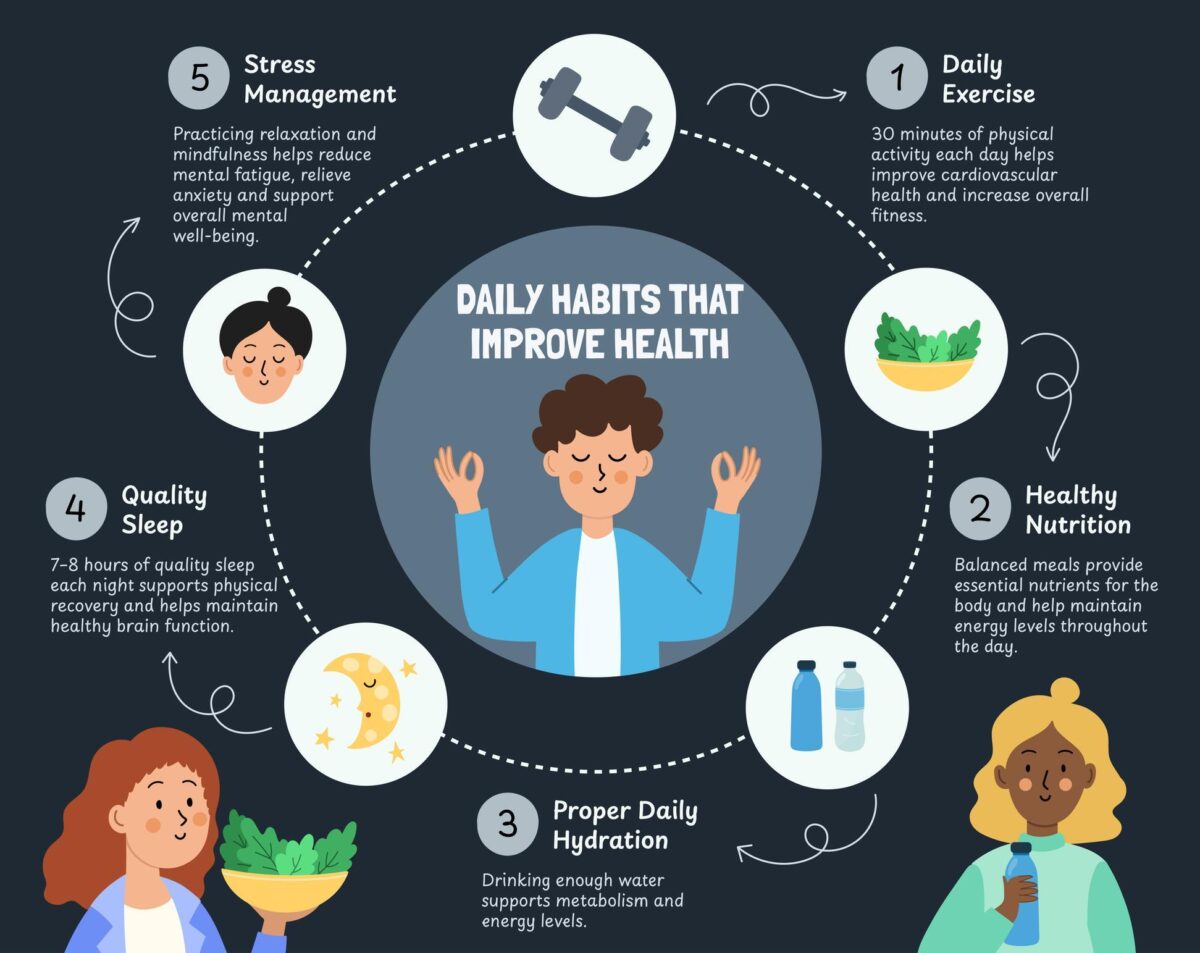
Healthy habits include:
- Eating nutritious foods
- Staying physically active
- Avoiding tobacco
- Limiting alcohol
- Maintaining a healthy weight
- Attending regular screenings
The CDC and American Cancer Society both emphasize that early detection and preventive care are key parts of cancer awareness.
When Should You See a Doctor?
Many symptoms listed above can be caused by non-cancerous conditions. However, you should seek medical attention if symptoms:
- Persist for more than two weeks
- Worsen over time
- Feel unusual for your body
Trust your instincts. Paying attention to your health can make a major difference.
How Compassionate Nurses LLC Supports Women’s Health
At Compassionate Nurses LLC, we understand the importance of compassionate healthcare and early support.
We provide:
Our goal is to support patients and families with professional and compassionate care throughout their healthcare journey.
Final Thoughts
Cancer symptoms are not always obvious. In many cases, they begin with small changes that are easy to overlook. However, listening to your body and acting early can improve outcomes and potentially save lives. Awareness, regular screenings, and timely medical care remain some of the most powerful tools in protecting women’s health. Knowing the cancer symptoms women should not ignore may help women seek medical attention earlier