
Healthcare & Wellness Blog

Healthcare Blog

Welcome to the Compassionate Nurses LLC blog, where we share expert insights on healthcare staffing, nursing services, elderly care, patient wellness, and post-operative recovery. Our content provides reliable health information, practical patient care guidance, wellness resources, and nursing insights for individuals, families, caregivers, and healthcare professionals.


We regularly publish educational articles on disease prevention, senior care, women’s health, recovery support, mental wellness, and healthy lifestyle habits. In addition, we discuss healthcare trends, patient safety, wellness practices, and important public health topics. Our goal is to help readers stay informed about changing healthcare needs and patient care solutions.


Compassionate Nurses LLC is committed to sharing reader-friendly content that supports healthier communities and informed healthcare decisions. We aim to provide valuable healthcare guidance, compassionate care insights, and wellness education that improve overall well-being.

Breast-Cancer-Symptoms-1200x800.jpg

10 Cancer Symptoms Women Should Never Ignore

Understanding the cancer symptoms women should never ignore can help with early detection and treatment. Cancer can affect anyone, but some warning signs are more common in women and are often ignored because they seem “normal” or harmless at first. Many symptoms of cancer can resemble stress, hormonal changes, infections, or common health conditions. However, when these symptoms persist or worsen, they should never be overlooked.

According to the American Cancer Society, recognizing unusual changes in your body and seeking medical evaluation early can improve treatment outcomes significantly. Research shows that about 375,000 Women in the United States are diagnosed with breast cancer

At Compassionate Nurses LLC, we believe education and awareness are essential for better health. Understanding the warning signs of cancer can help women seek care early, when treatment is often more effective.

Why Early Detection Matters

Early detection saves lives. Many cancer symptoms women should not ignore often appear mild at first. Unfortunately, women often delay seeking help because symptoms may appear mild or easy to dismiss. This is why paying attention to persistent or unusual changes in your body is extremely important.

Here Are 10 Cancer Symptoms Women Should Not Ignore

1. Unexplained Weight Loss

Losing weight without changing your diet or exercise routine may seem like a good thing at first, but sudden, unexplained weight loss can sometimes be a warning sign of cancer.

Cancer can affect how the body uses energy and may cause:

  • Loss of appetite
  • Digestive problems
  • Increased metabolism

If you lose 10 pounds or more unexpectedly, it is important to speak with a healthcare provider. Unexplained weight loss is one of the common warning signs associated with several cancers.

2. Persistent Fatigue

Everyone feels tired sometimes. However, cancer-related fatigue is different. This type of fatigue:

  • Does not improve with rest
  • Lasts for weeks
  • Makes daily activities difficult

Persistent fatigue may be linked to cancers such as leukemia, colon cancer, or stomach cancer. The American Cancer Society notes that extreme tiredness can occur when cancer affects the body’s energy production.

Compassionate Black nurse providing healthcare support and patient care for women’s wellness.

3. Breast Changes

Breast cancer remains one of the most common cancers affecting women. Symptoms to watch for include:

  • A lump in the breast or armpit
  • Nipple discharge
  • Breast swelling
  • Skin dimpling
  • Changes in breast shape or size

According to the Mayo Clinic, skin changes resembling an orange peel or nipple inversion should be evaluated by a medical professional.

Regular breast screenings and self-awareness are extremely important for early detection.

4. Abnormal Vaginal Bleeding

Abnormal bleeding should never be ignored, especially after menopause.

This may include:

  • Bleeding between periods
  • Heavy menstrual bleeding
  • Bleeding after intercourse
  • Postmenopausal bleeding

The CDC Gynecologic Cancers states that abnormal vaginal bleeding is one of the most common warning signs of gynecologic cancers.

While infections or hormonal changes may also cause bleeding, persistent symptoms require medical evaluation.

5. Persistent Bloating or Pelvic Pain

Many women experience bloating occasionally, but ongoing bloating that lasts for several weeks could signal ovarian or uterine cancer.

Symptoms may include:

  • Abdominal swelling
  • Pelvic pressure
  • Feeling full quickly
  • Digestive discomfort

Persistent pelvic discomfort should always be discussed with a healthcare provider.

6. Changes in Bowel or Bladder Habits

Cancer can affect digestive and urinary systems in different ways.

Symptoms may include:

  • Blood in urine or stool
  • Frequent urination
  • Constipation
  • Diarrhea
  • Difficulty urinating

Bladder and colorectal cancers can appear first as ongoing bowel or urinary changes. If symptoms continue for more than a few weeks, medical attention is important.

7. Persistent Cough or Hoarseness

A cough that lasts for weeks should never be ignored. Although many coughs are caused by infections or allergies, a chronic cough may be associated with:

  • Lung cancer
  • Throat cancer
  • Thyroid cancer

Women who smoke or have long-term exposure to secondhand smoke may have a higher risk.

8. Skin Changes

Skin cancer is one of the most common cancers worldwide.

Warning signs include:

  • A mole that changes shape or color
  • Sores that do not heal
  • Persistent itching or bleeding
  • Crusty or scaly patches

Any skin change that continues to grow or does not heal should be checked by a healthcare provider. Regular skin examinations can help identify issues early.

9. Difficulty Swallowing or Persistent Heartburn

Occasional heartburn is common, but ongoing symptoms may indicate cancers affecting the throat, esophagus, or stomach.

Symptoms may include:

  • Feeling like food is stuck
  • Pain when swallowing
  • Chronic indigestion

Persistent digestive symptoms should never be ignored, especially if accompanied by weight loss or fatigue.

10. Night Sweats or Frequent Fevers

Night sweats are sometimes linked to menopause or infections. However, recurring drenching night sweats and unexplained fevers may also signal blood cancers such as lymphoma or leukemia. If symptoms continue without a clear explanation, it is important to seek medical care.

Risk Factors Women Should Be Aware Of

Although cancer can occur without clear risk factors, some things may increase risk, including:

  • Smoking
  • Obesity
  • Family history of cancer
  • Excessive alcohol use
  • Lack of physical activity
  • Poor diet

Regular screenings and healthy lifestyle habits can help reduce risk and support early detection.

How to Reduce Your Cancer Risk

While not all cancers are preventable, healthy habits can lower your risk significantly.

Healthy habits include:

  • Eating nutritious foods
  • Staying physically active
  • Avoiding tobacco
  • Limiting alcohol
  • Maintaining a healthy weight
  • Attending regular screenings

The CDC and American Cancer Society both emphasize that early detection and preventive care are key parts of cancer awareness.

When Should You See a Doctor?

Many symptoms listed above can be caused by non-cancerous conditions. However, you should seek medical attention if symptoms:

  • Persist for more than two weeks
  • Worsen over time
  • Feel unusual for your body

Trust your instincts. Paying attention to your health can make a major difference.

How Compassionate Nurses LLC Supports Women’s Health

At Compassionate Nurses LLC, we understand the importance of compassionate healthcare and early support.

We provide:

Our goal is to support patients and families with professional and compassionate care throughout their healthcare journey.

Final Thoughts

Cancer symptoms are not always obvious. In many cases, they begin with small changes that are easy to overlook. However, listening to your body and acting early can improve outcomes and potentially save lives. Awareness, regular screenings, and timely medical care remain some of the most powerful tools in protecting women’s health. Knowing the cancer symptoms women should not ignore may help women seek medical attention earlier


Feature-2-1200x953.jpg

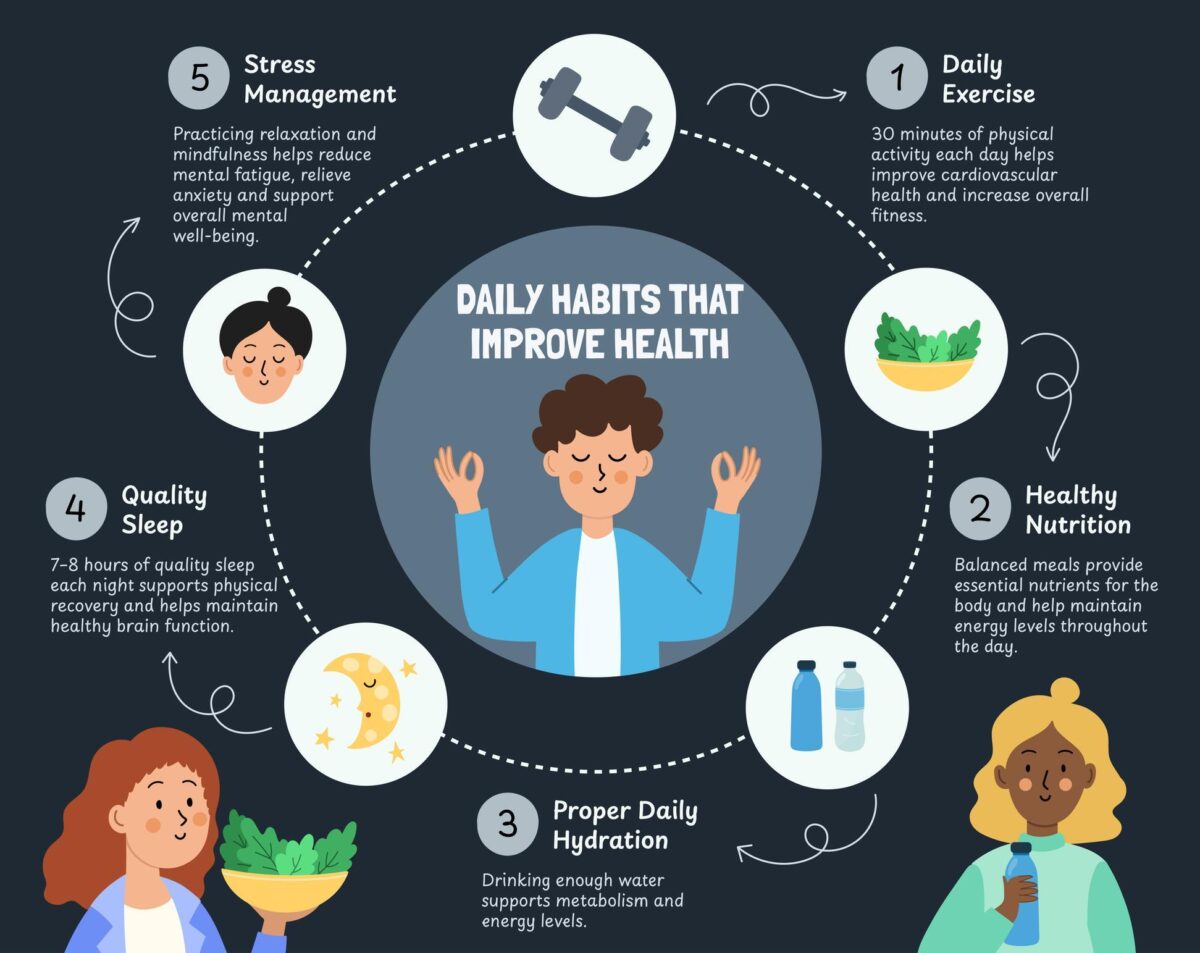
5 Timeless Habits for Better Health

The 5 timeless habits for better health are simple, practical actions that can improve your lifestyle and support long-term wellness. In a world filled with quick fixes, trending diets, and “instant results,” many people are still struggling to maintain good health.

The reason is simple: Real health is not built on trends, it’s built on consistent habits.

At Compassionate Nurses LLC, we work closely with patients across different stages of care from post-operative recovery to elderly support. One thing remains constant:

The people who maintain good health follow simple, consistent habits over time.

This guide breaks down five timeless habits for better health, not just what they are but how to apply them in real life.

1. Manage Stress Through Mindfulness and Emotional Balance

Stress is one of the most overlooked threats to health. When stress becomes chronic, it affects:

  • Blood pressure
  • Heart health
  • Sleep quality
  • Immune function

Over time, unmanaged stress can contribute to serious conditions like anxiety, depression, and cardiovascular disease.

What is mindfulness?

Mindfulness simply means being present—fully aware of what you are doing, without distraction or judgment.

Practical ways to reduce stress

You don’t need a complicated routine. Start with:

  • Deep breathing for 3–5 minutes daily
  • Taking short breaks during work
  • Spending time outdoors
  • Practicing gratitude
  • Limiting overwhelming information (news/social media)

Real-life insight

Patients who manage stress effectively tend to:

  • Recover faster
  • Sleep better
  • Experience fewer complications

 Mental health directly affects physical health.

2. Prioritize High-Quality Sleep

Sleep is one of the most powerful health tools, yet many people ignore it.

Lack of sleep can lead to:

  • Fatigue and poor focus
  • Weakened immune system
  • Increased risk of chronic illness

How much sleep do you need?

Most adults need:
7–9 hours of quality sleep per night. But it’s not just about quantity, it’s about quality.

Sleep is one of the most powerful health tools. According to research from Harvard Health Publishing, improving sleep habits, nutrition, and physical activity can significantly enhance overall health and recovery.

How to improve your sleep

  • Go to bed at the same time every day
  • Avoid screens at least 30–60 minutes before bed
  • Keep your bedroom cool and quiet
  • Limit caffeine, especially in the evening

Healthcare perspective

In post-operative and elderly care, poor sleep often slows recovery. Sleep is when the body repairs itself.

3. Nourish Your Body with Whole, Balanced Foods

Food is not just fuel, it’s information for your body. What you eat affects:

  • Energy levels
  • Brain function
  • Disease risk

What are whole foods?

Whole foods are:

  • Minimally processed
  • Nutrient-rich
  • Close to their natural state

Examples include:

  • Fruits and vegetables
  • Whole grains
  • Lean proteins
  • Healthy fats

What to reduce

  • Highly processed foods
  • Excess sugar
  • Artificial additives

Simple nutrition rule

If it looks natural, it’s better for your body.

Real-world observation

Patients who maintain a balanced diet often:

  • Heal faster
  • Have more energy
  • Experience fewer complications

compassionate nursing care supporting patient health and recovery

4. Stay Physically Active (Even in Small Ways)

You don’t need intense workouts to stay healthy. Movement matters more than intensity.

Why movement is important

Regular activity helps:

  • Improve heart health
  • Strengthen muscles
  • Boost mood
  • Reduce risk of chronic diseases

Easy ways to stay active

  • Take daily walks
  • Stretch regularly
  • Use stairs instead of elevators
  • Do light home exercises

Even 20–30 minutes a day can make a big difference.

Patient insight

In elderly and recovery care: Consistent movement prevents complications and improves independence.

5. Reduce Exposure to Harmful Toxins

Everyday environments expose us to toxins- from air pollution to chemicals in products. While you can’t avoid everything, you can reduce exposure.

Common sources of toxins

  • Smoking and secondhand smoke
  • Air pollution
  • Chemicals in cleaning products
  • Plastics and processed materials

How to reduce exposure

  • Avoid smoking
  • Use natural or low-chemical products
  • Drink clean, filtered water
  • Keep your environment well-ventilated

Small changes matter

You don’t need perfection, just gradual improvement.

Why These Habits Work (The Science Behind It)

Research consistently shows that maintaining healthy lifestyle habits can:

  • Reduce the risk of chronic diseases
  • Improve mental health
  • Increase life expectancy

The key is consistency and not perfection.

How Compassionate Nurses LLC Supports Better Health

At Compassionate Nurses LLC, we understand that maintaining these habits can be challenging, especially during recovery or when caring for a loved one.

That’s why we provide:

  • Skilled nursing support
  • Elderly patient care
  • Post-operative care
  • Critical care assistance

Our goal is to help patients not only recover, but maintain long-term wellness.

Final Thoughts

Research from Harvard Health Publishing shows that combining healthy habits such as proper nutrition, regular exercise, quality sleep, and stress management can significantly improve long-term health outcomes and reduce the risk of chronic diseases. Health is not something you achieve once. It’s something you build daily. Start small:

  • Improve your sleep
  • Move more
  • Eat better
  • Manage stress

Over time, these habits will transform your health.

 Need Professional Support?

If you or your loved one needs reliable healthcare support,
Contact Compassionate Nurses LLC today and let us help you achieve better health with compassionate care. Contact Us Now


Visit us on social networks:


Visit us on social networks:


310-883-8417


Please call us if you have a question, or would like further information about Compassionate Nurses LLC


Copyright by Compassionate Nurses LLC 2025. All rights reserved.